250 Years of Freedom Embroidery Design Review
As an experienced embroidery designer and product reviewer, I often evaluate digital embroidery files for their real-world viability. The 250 Years of Freedom Semiquincentennial design caught my attention not just for its historical significance but also for how it might translate into a variety of custom projects. Let me walk you through the practical considerations I made while testing this design on different materials and applications.
First Impressions: A Bold Celebration of Heritage
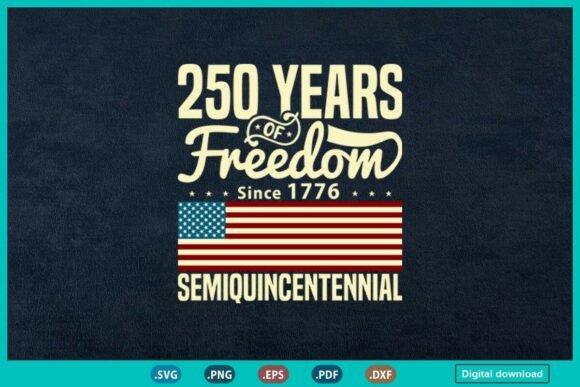
The moment I unzipped the 250 Years of Freedom Semiquincentennial file package, I was struck by the patriotic tone of the design. It’s clearly meant to honor a milestone—probably a 250th anniversary of independence or a significant event in American history. The layout is centered around a stylized flag motif with bold lettering that reads “250 Years of Freedom” across the top. There are subtle decorative elements that frame the text, giving it a sense of grandeur without being overwhelming.
Visually, the design feels both classic and modern. The lines are crisp, the shapes are well-defined, and the typography is clean enough to be legible at various sizes. As an embroidery project, it gives off a strong sense of pride and patriotism, which makes it ideal for themed apparel like tote bags, sweatshirts, or even nursery decor where a touch of heritage is appreciated.
Design Personality and Application Fit
This isn’t a minimalist piece—it has presence. The stitch density in the central flag area suggests it would hold up well on cotton blends and heavier fabrics. However, it’s not suited for every surface. When I imagined using it on a soft baby onesie or a stretchy gym shirt, I knew some adjustments would be needed.
The visual personality of the design leans toward formality and celebration. That makes it a good candidate for holiday gifts, custom apparel for small events or shop promotions, and even as part of commercial embroidery projects. Its structured layout works especially well when you want something that looks professional yet handmade.
Real-World Performance: What Works Best?
I tested the 250 Years of Freedom Semiquincentennial on several common substrates used in craft businesses and handmade products. Here’s what I observed:
- Tote Bags: The design looked impressive on a 14x16" canvas tote. The flags and text were clearly visible after stitching, and the overall look felt festive and meaningful. Customers would likely appreciate it as a personalized gift or boutique item.
- Sweatshirts & T-Shirts: On a medium-weight cotton sweatshirt, the stitched result was clean and proud. But on a thin t-shirt fabric, the background stitches started to show through, especially in the fill areas. This is where stabilizer becomes essential.
- Patches: Used as an embroidered patch, the design worked beautifully. The structure held well, and the layered stitch types (like satin and running stitch) gave depth and texture. Perfect for adding a commemorative element to jackets or backpacks.
- Baby Clothes: While the theme is celebratory, the detailed nature of the design may be too much for delicate baby garments unless simplified. Tiny lettering could become lost in scale, so resizing carefully is key.
- Aprons & Pillow Covers: These items have more room for larger designs, and the 250 Years of Freedom fit comfortably within a 7x9" hoop. The stitch clarity was excellent, and the final product had a premium feel.
Customer Reaction and Marketability
In an Etsy listing mockup, the design immediately stood out. It added a sense of occasion and authenticity to the product. For a craft business selling seasonal or historical-themed items, this design can help boost product value and buyer engagement.
Customers tend to trust designs that look polished and intentional. The 250 Years of Freedom Semiquincentennial achieves that balance between detail and readability. It doesn’t scream, but it does demand attention. That’s great for brand consistency if your store focuses on patriotic or vintage-style merchandise.
Where Caution Is Advised
While the design is versatile, there are certain scenarios where it needs careful handling:
- Small Hoop Sizes: The design includes multiple elements that may require a larger hoop. If you're working with limited space, consider isolating parts of the design rather than trying to force the full version into a tight area.
- Textured or Stretchy Fabrics: These can distort the shape of the design or cause stitch tension issues. Always test on scrap fabric before committing to a client order or batch production.
- Dark Fabric Backgrounds: Some thread colors included in the design may blend into darker materials. Make sure to check the thread color contrast against your chosen fabric.
- Dense Stitch Areas: The central flag section uses a lot of fill and satin stitches. Without proper stabilizer, these areas may pucker or shift during sewing, especially on lighter weight materials.
- Curved Surfaces: Using this design on caps or curved surfaces like mugs requires repositioning or splitting the design. Curves can warp straight lines and affect the final appearance.
- Frequent Washing Items: Because of the high stitch density, frequent washing may lead to slight fraying over time. Recommend using durable thread and reinforcing the back if necessary.
Design Notes for Embroidery Success
Before jumping into a full production run or creating digital embroidery files for resale, here are some tips I followed:
- Test on Scrap Fabric: Especially important for new customers unfamiliar with the design's behavior. Use the same type of material you plan to embroider to see how it reacts under tension.
- Check Thread Contrast: Some elements rely on light-colored threads. If you’re using dark fabric, you’ll need to adjust thread choices for better visibility.
- Review Stitch Density: High-density areas can cause puckering or stiffness. Adjust stitch spacing if needed for comfort and flexibility.
- Confirm Hoop Size: Although no exact hoop size is provided, the design appears to require at least a 7x9" hoop. Smaller hoops may compromise visual impact.
- Inspect Small Details: Any tiny lettering or intricate corner work should be checked for stitch integrity. Resizing must be done thoughtfully to avoid distortion.
- Black and White Mockups: Before purchasing the design, review it in grayscale to ensure it still carries its meaning and appeal without color.
- Use Proper Stabilizer: Especially for lightweight or stretchy fabrics. Tear-away alone won’t do the trick in dense sections.
- Licensing Check: Since the description mentions selling finished items or digital assets, always verify licensing terms before including the design in commercial Embroidery Designs or Graphics packages.
Final Thoughts: A Valuable Design Asset
The 250 Years of Freedom Semiquincentennial design is a solid addition to any embroidery project toolkit. It brings a powerful message wrapped in a visually appealing format that works well across multiple product categories. Whether you're a hobbyist looking to create a special personalized gift, or an Etsy seller aiming to elevate your T-Shirt Designs, this design offers a strong foundation.
Its potential is best unlocked when paired with thoughtful preparation and realistic expectations. By understanding the nuances of fabric choice, hoop size, and stitch behavior, you can ensure your finished product meets customer expectations and stands out in a competitive market.
Overall, I’d say it’s a great option for craft fair products, small shop merchandise, or even printable mockups if you're selling digital design assets. Just remember: every project is unique, and this design should be treated accordingly to maximize its impact and longevity.